As convenience stores expand and evolve their foodservice programs to include more fresh grab-and-go options, operators must balance air-tight food safety with the speed and convenience customers expect. Maintaining consistent standards across locations requires more than a checklist. It takes regular audits to verify that food safety procedures are followed, identify issues, and ensure they're resolved.
Here are three critical areas to prioritize during convenience store food safety audits to ensure you’re serving customers safe food every time they visit.
1. Ensure food prep areas are clean and food is properly stored
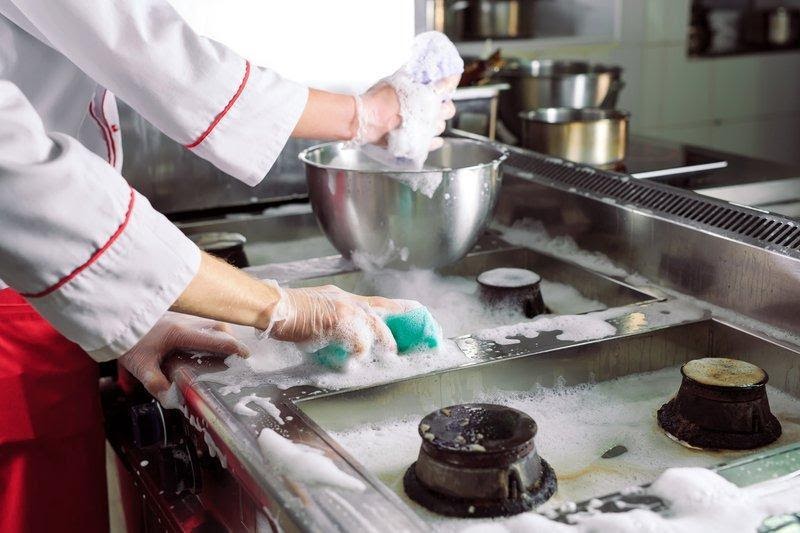
Clean food prep areas and proper storage practices are essential to preventing contamination. During food safety audits, check that:
- Food prep surfaces, counters, and floors are cleaned and sanitized appropriately.
- Handwashing stations are accessible, stocked with soap, and supported by proper signage.
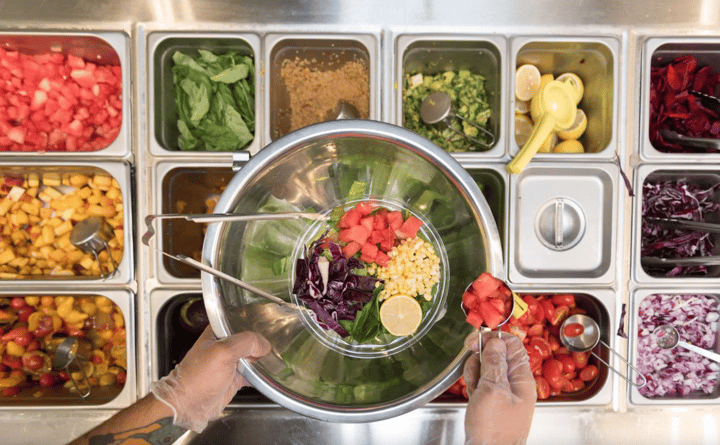
- Food is stored in designated areas, in clean, properly sealed containers, and protected from cross-contamination.
- Food storage areas are clean, organized, and free of expired products.
Pay particular attention to recurring cleanliness issues. A location that repeatedly falls short in the same areas may need additional training, clearer procedures, or more frequent checks—not just another reminder to clean.
2. Check food equipment temperature and performance.
Improper food temperatures can create serious food safety risks, even when everything looks fine on the surface. That’s why operators need consistent temperature checks and a reliable process for addressing readings outside approved ranges.
During audits, be sure to verify the temperatures of all equipment related to foodservice, including:
- Refrigerators and freezers
- Cold grab-and-go cases
- Hot-held food warmers
3. Review food expiration dates and labelling best practices.
Even well-designed food safety procedures only work when employees follow them consistently. From checking expiration dates to responding to product recalls, operators need a way to verify compliance and address gaps across the entire organization.
During food safety audits, verify that:
- Expiration dates and product rotation procedures are followed.
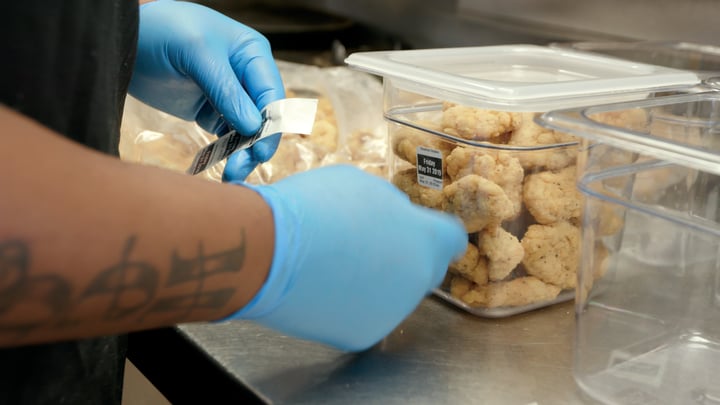
- Products are labeled, packaged, and handled according to company standards.
- Employees follow required food handling and sanitation procedures.
- Recall notices are communicated promptly, and affected products are removed from sale.
- Previously identified food safety issues have been corrected.
If you find that expiration labels are hard to read, be sure to flag that issue during the audit. Unclear handwriting, smudged ink, or a lack of a label altogether can make it difficult for restaurant teams to know what items are out-of-date, potentially leading to unsafe food being served.
Move from food safety audits to everyday adherence
Food safety doesn't stop when an audit ends. Operators need confidence that standards are followed every day, issues are addressed promptly, and corrective actions are completed across every location.
Operations execution tools help convenience store teams standardize procedures, verify execution, and follow through on issues with greater speed and accountability without relying on disconnected spreadsheets, paper forms, and email chains.
Looking for a better way to manage food safety and daily operations across your convenience stores? Learn more about how Crunchtime’s operations execution solution can help.