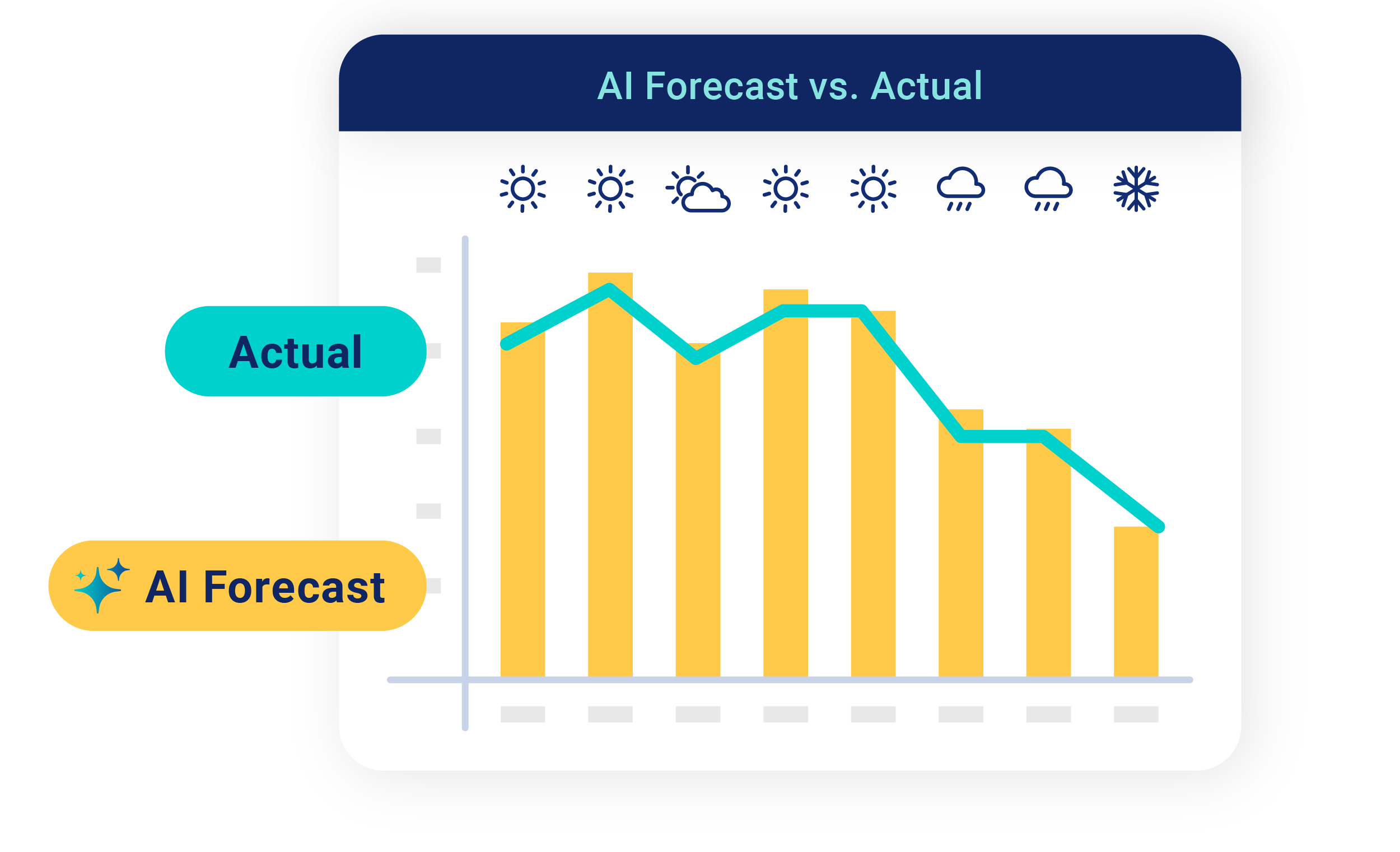
For brands handling high-volume transactions in regions like APAC, the pressure to get every shift right is enormous. And at the heart of every good shift is an accurate forecast.
Traditional forecasting methods, like manual spreadsheets, static models, or manager intuition, simply can’t keep up with the pace, variability, and operational demands of modern foodservice. That’s why AI-driven forecasting has moved from a nice-to-have to an operational necessity.
Despite being a top operational priority, most restaurant operators are still struggling to forecast accurately. According to the UK Restaurant Growth Insights Report 2025, operators report that their sales forecasts are, on average, only 62% accurate. This is a surprising figure, especially considering that 82% are using some form of tech-based forecasting tool.
Here’s why restaurants in high-volume markets are increasingly turning to AI forecasting, and what it means for performance across the business.

1. High-Volume Markets Demand Precision at Scale
In high-volume environments, even small forecasting inaccuracies create large, expensive consequences.
A 5% forecasting error might be manageable for a café serving 200 guests a day, but for a brand processing thousands of transactions per hour, it can lead to:
- Major product overproduction
- Critical stockouts during peak periods
- Staffing mismatches that hurt service times
- Increased wastage and reduced profitability
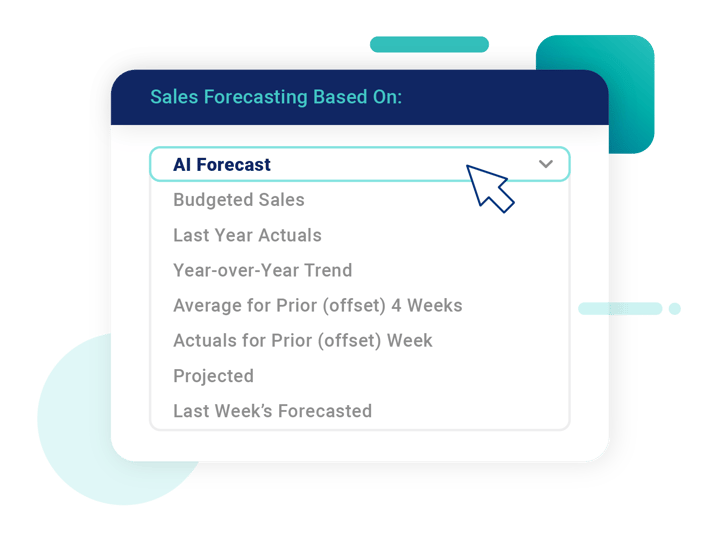
AI forecasting uses vast data sets, historical sales, traffic patterns, seasonality, weather, events, promotions, and more, to generate more precise predictions than manual or rules-based systems. Accuracy at scale translates directly into margin protection.
2. AI Adapts Faster Than Humans (Especially As Conditions Change)
High-volume restaurants face constant volatility: new menus, digital ordering surges, third-party delivery, promotions, supply chain constraints, and unpredictable demand patterns.
Human-driven forecasts can’t recalibrate quickly enough. AI can. With machine learning models trained on real-time inputs, forecasts adjust dynamically as conditions change. For operators, that means:
- Better prep planning during sudden spikes
- More accurate labour schedules when weather shifts or footfall dips
- Protection against stockouts during promo periods
- Clearer visibility across every location, every day
When speed matters, AI’s adaptability is a competitive advantage.
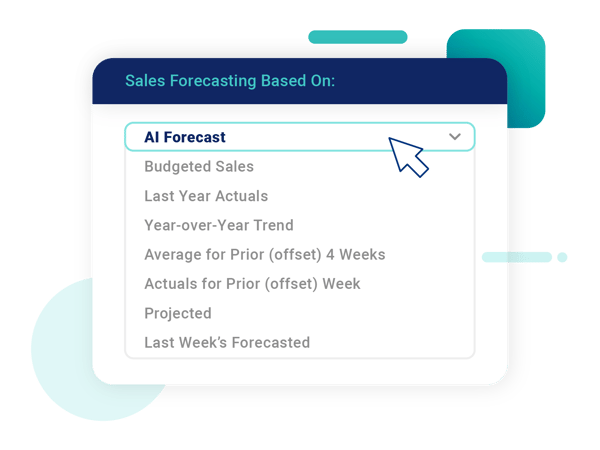
3. Labour Planning Depends on Better Demand Forecasts
For most restaurant brands, labour is one of the largest controllable costs, and one of the most challenging to manage without reliable forecasts.
AI forecasting helps schedule smarter by predicting:
- Peak windows down to 15- or 30-minute intervals
- Staffing needs by role based on projected guest counts
- Prep and production needs tied directly to labour effort
- The real impact of digital ordering on in-store staffing
The result is more balanced shifts, neither overstaffed nor overstretched. Crew satisfaction improves, service consistency increases, and managers can spend more time coaching and less time scrambling.
4. AI Reduces Wastage and Improves Sustainability
Food wastage cuts into margins and contradicts sustainability commitments. In high-volume operations, even minor inefficiencies add up quickly.
AI forecasting helps restaurants:
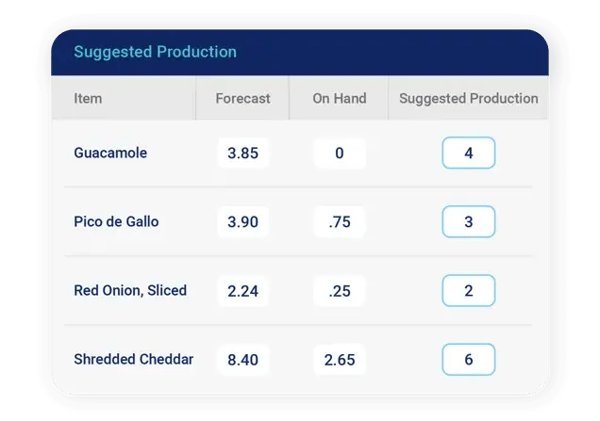
- Prep the right quantities at the right times
- Reduce wasted stock
- Optimise ingredient ordering and delivery frequency
- Match production better to real demand patterns
By improving forecast precision (even marginally), brands can reduce wastage significantly across large networks.
5. AI Brings Enterprise-Level Consistency to Multi-Unit Brands
Large restaurant organisations struggle when each location forecasts differently. Variability makes it harder to:
- Maintain consistent guest experience
- Control food and labour costs
- Execute promotions predictably
- Benchmark performance fairly
AI forecasting standardises methodology across all sites while still allowing for local nuance. Each restaurant benefits from enterprise-wide intelligence, but the forecast remains unique to its specific trading patterns.
This combination, consistency plus local precision, is where AI outperforms traditional models.
6. Managers Get Time Back to Focus on the Guest
Forecasting is essential, but it’s also time-consuming when done manually. AI reduces the administrative burden so managers can focus on what matters: running a great shift.
With automated, always-updated forecasts, teams spend less time:
- Manually adjusting spreadsheets
- Re-forecasting based on weather or events
- Correcting ordering or scheduling errors
And more time:
- Elevating service
- Coaching teams
- Improving operational execution
AI turns forecasting from a chore into a reliable operational backbone.
The Bottom Line: High-Volume Markets Need Intelligent Forecasting
As restaurant brands grow, complexity grows with them. High-volume operations, multi-unit networks, and rapidly shifting demand patterns require forecasting technology that can keep pace.
AI forecasting provides:
- Higher accuracy
- Faster adaptability
- Better labour planning
- Reduced waste
- Greater consistency
- More time for managers
For modern foodservice, AI is no longer optional. It’s essential for protecting margins, improving service, and powering smarter, more efficient operations.
If you’re ready to move beyond manual forecasting and explore how AI can transform your restaurant performance, Crunchtime can help.