
Stay Ahead: 2025 Minimum Wage Updates Coming for Restaurant Operators
Learn about upcoming changes to minimum wage that will impact restaurant operators in January 2025.
Read more
Minimum wage increases are coming to 70+ jurisdictions in 2026. Here's what you need to know.
As 2026 approaches, restaurant operators should start preparing for the minimum wage changes that will impact store locations across the country. Wage regulations continue to evolve at both state and local levels, and many restaurant brands will feel the impact, especially as labor already represents one of the highest operating costs in the industry. The risks of non-compliance, however, can be even more costly.
Missed updates can lead to fines, employee frustration, and damage to your brand’s reputation. Now is the time to understand if any of the 2026 changes will affect your operation so you can stay compliant and protect your business. A well-structured compliance program can help your organization stay proactive and adapt quickly as new requirements go into effect.
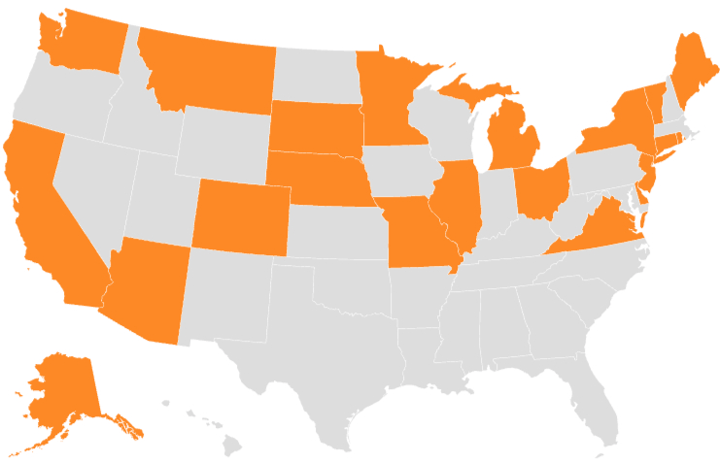
| Minimum wage is changing in these states as of January 1, 2026: |
||||
|
Arizona California Colorado Connecticut Florida (Sept 30) |
Hawaii Illinois Maine Michigan |
Minnesota Missouri Montana Nebraska |
New Jersey New York Ohio South Dakota |
Vermont Virginia Washington Rhode Island |
| Note: More states will adjust minimum wage in July 2026 | ||||
.png?width=500&height=342&name=vHZUc-%20(1).png)
| California minimum wage changes as of January 1, 2026: Review this list to see if any of your store locations will be impacted. |
|||
|
Belmont, CA Burlingame, CA Cupertino, CA Daly City, CA East Palo Alto, CA El Cerrito, CA Foster City, CA |
Half Moon Bay, CA Hayward, CA Los Altos, CA Novato, CA Oakland, CA Palo Alto, CA Petaluma, CA |
Redwood City, CA Richmond, CA San Carlos, CA San Diego, CA San Jose, CA San Mateo, CA Santa Clara, CA |
Santa Rosa, CA Sonoma, CA South San Francisco, CA Sunnyvale, CA West Hollywood, CA Menlo Park, CA Mountain View, CA |
| Other local jurisdictions with changes to minimum wage in 2026: Changes take place Jan. 1, 2026. |
|||
|
Boulder, CO Boulder County, CO Denver, CO Edgewater, CO Bellingham, WA Flagstaff, AZ |
St. Paul, MN Minneapolis, MN Tucson, AZ Las Cruces, NM Portland, ME |
Tukwila, WA Albuquerque, NM Nassau, Suffolk, and Westchester Counties Renton, WA |
SeaTac, WA Howard County, MD New York City, NY Rockland, ME Seattle, WA |
With the One Big Beautiful Bill Act taking effect for the 2025 tax year, employers will be required to separately track and report FLSA-required weekly overtime premiums. This means your payroll system must distinguish between regular hours, straight-time pay, and the overtime premium portion (the extra 0.5x) for any hours worked over 40 in a week. If your current process doesn’t already break out that overtime premium, now is the time to update your payroll codes, reporting workflows, and year-end W-2 processes.
Crunchtime helps simplify this process with a Weekly Overtime Report. The report automatically identifies employees who’ve incurred federal overtime and calculates the associated deductible overtime premium for each pay period.
Related Read: The Restaurant Operator's Guide to Compliance
As your restaurant operation grows, it can become time consuming to keep up with changing labor laws in every jurisdiction where you operate. That's why Crunchtime provides a detailed report that tracks updates to labor laws, so you never have to worry about labor compliance slipping through the cracks.
%20(1).png?width=600&height=311&name=3Asset%202%20(1)%20(1).png)
Labor laws are constantly changing and evolving. Keep an eye on changing legislation and discussions about wage increases that can shape the labor landscape. Anticipating these changes in advance can help give your restaurant a competitive edge as you navigate compliance.
Ready to learn more? Get in touch to learn how Crunchtime can alleviate the burden of labor law compliance for your operation.